
0
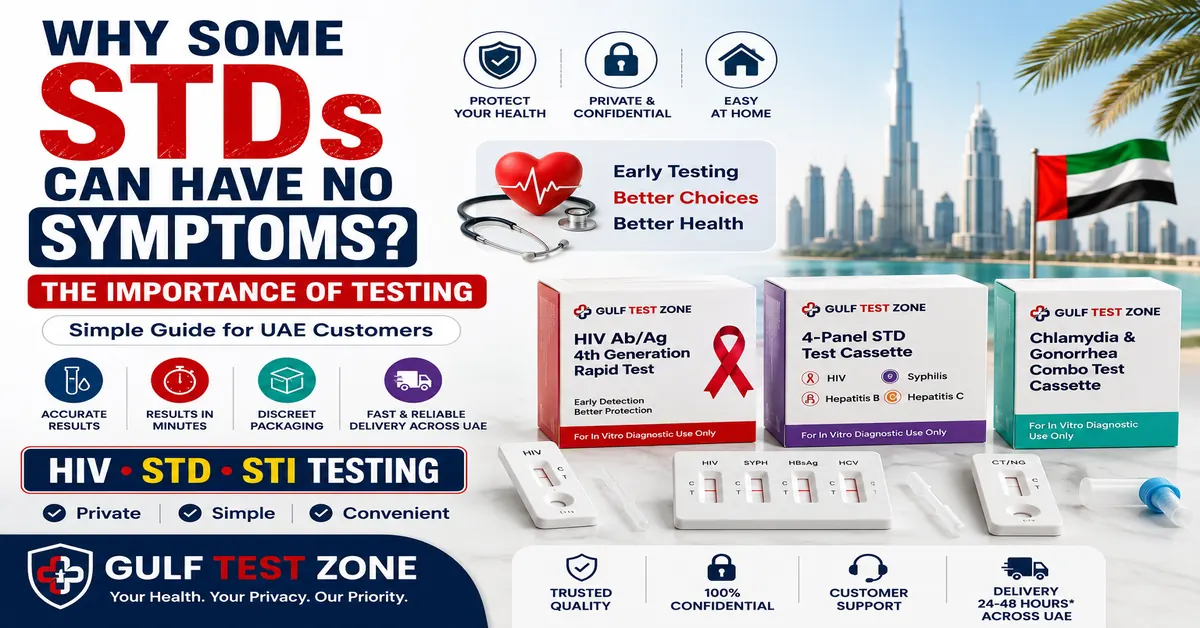
Many people think they would know if they had an STD because they would feel sick or notice something unusual. But that is not always true.
Some sexually transmitted infections can stay in the body without causing clear symptoms. A person may feel completely normal and still have an infection. This is one reason why testing is important, especially when there has been a possible risk.
The good news is that learning about STD testing does not have to be difficult. With the right information, you can make better choices about your health and know when professional medical advice may be needed.
When an STD has no symptoms, it means the infection may be present without obvious signs.
You might feel fine. You may have no pain, no unusual discharge, and no changes that make you think something is wrong.
This is sometimes called an asymptomatic infection.
It can be confusing because most people expect an illness to cause a warning sign. However, some sexually transmitted infections do not always behave that way.
Different infections affect the body in different ways. Some may cause strong symptoms in certain people but very mild or no symptoms in others.
Symptoms can also appear later. In some cases, they may come and go, making them easy to miss.
That is why simply asking, "Do I feel okay?" is not always enough to know whether testing is needed.
When symptoms do happen, they may not always seem serious.
For example, someone might notice:
Mild burning when urinating
Unusual discharge
Small bumps or sores
Itching or irritation
Pain during sex
Lower abdominal or pelvic discomfort
Changes around the genital area
Some of these signs can also be caused by other health problems. This means you should not try to diagnose an STD based only on symptoms.
If something feels unusual or you are worried about a possible exposure, speaking with a qualified healthcare professional is a sensible step.
Testing can help identify infections that may not cause noticeable symptoms.
This matters not only for your own health but also because an infection that is not known about may be passed to another person.
Testing can also give you useful information when you are unsure about your status.
One common mistake is thinking that testing is only needed when something feels wrong.
That is not true.
A person can have no symptoms and still need testing based on their situation. The right time and type of testing can depend on factors such as the possible exposure, the infection being tested for, and the type of test used.
For this reason, it is important to read the instructions for any test carefully and ask a healthcare professional if you are unsure.
HIV is another infection that may not cause obvious symptoms for a long time.
Some people may have symptoms that look like a common illness, while others may not notice anything unusual. This is why HIV testing can be an important part of sexual health care when testing is appropriate.
A 4th generation HIV Ab/Ag test is designed to look for both HIV antibodies and the p24 antigen.
If you want to learn more about this type of test, you can explore the HIV Ab/Ag 4th Generation Rapid Test available through Gulf Test Zone.
Remember that testing too early after a possible exposure can affect the result. This is why understanding the window period and following the test instructions is important.
Chlamydia and gonorrhea are two infections that can sometimes occur without obvious symptoms.
A person may feel completely normal and not realize that anything is wrong.
This is one reason people may consider a combined Chlamydia and Gonorrhea test when appropriate.
A combo test is designed to check for both targets in one product. Before using any test, always read the product instructions carefully, including information about the sample type and how to understand the result.
Some people may want to look at more than one target instead of focusing on a single infection.
A 4-panel STD test cassette is designed to check multiple targets in one test product.
This can be useful for people looking for a multi-target testing option. However, it is important not to assume that every multi-panel test checks for every possible STD or STI.
Before buying or using a test kit, check exactly what it is designed to test for.
Look at:
The infections or markers included
The sample required
The testing steps
The result reading time
Storage instructions
Expiry date
Any limitations mentioned by the manufacturer
Taking a few minutes to read these details can help prevent mistakes.
There is no single answer that works for everyone.
Testing may be worth considering if you have had a possible exposure, have a new sexual partner, notice unusual symptoms, or have another reason to be concerned.
The correct timing depends on the infection and the test.
The window period is the time between an infection and when a particular test can reliably detect it.
If testing happens too soon, the result may not give the full picture.
That does not mean you should ignore a concern. Instead, follow the instructions for the specific test and speak with a healthcare professional about whether another test or repeat testing may be needed.
First, do not panic.
A screening result that is reactive or positive should be understood according to the instructions for that particular test. Some results may need confirmation through laboratory testing or a healthcare professional.
A qualified medical professional can explain what the result means and what steps should come next.
It is also important not to blame yourself or feel ashamed. Sexual health is a normal part of healthcare, and getting the right information is more helpful than worrying alone.
A negative result can be reassuring, but it does not always mean that every possible infection has been ruled out.
The meaning of a negative result depends on the test, timing, sample, and instructions.
If you tested soon after a possible exposure, you may need to discuss repeat or professional testing with a healthcare provider.
If you are looking for home test products, take time to understand what each one is designed to check.
You can visit Gulf Test Zone to learn more about available options and read the product information before making a decision.
The goal is not to make health testing stressful. It is about having clear information and making sensible choices.
Some STDs and STIs can exist without obvious symptoms. That is why feeling healthy does not always tell the whole story. Testing can be an important way to learn more about your sexual health, especially when there has been a possible exposure or another reason for concern.
Whether you are looking at an HIV test, a Chlamydia and Gonorrhea combo test, or a multi-panel STD test, always check what the product tests for and follow the instructions carefully.
And if you are worried about an exposure, symptoms, or a test result, talking with a qualified healthcare professional is always a good idea.
Knowing your options can make testing feel much less confusing—and taking action early can help you make informed decisions about your health.
Order your discreet test kit today with fast delivery across the UAE.
Shop Now